The Hungry HouseholdCookies › Molasses Cookies

Molasses Cookies

By Laura Bennett · Published 2026-07-17 · 2g protein per serving

Molasses cookies with crackled sugary tops

Molasses cookies are the cookie for when chocolate chip feels too predictable — the warm spice blend of cinnamon, ginger and cloves against the deep sweetness of molasses gives them a completely different character.

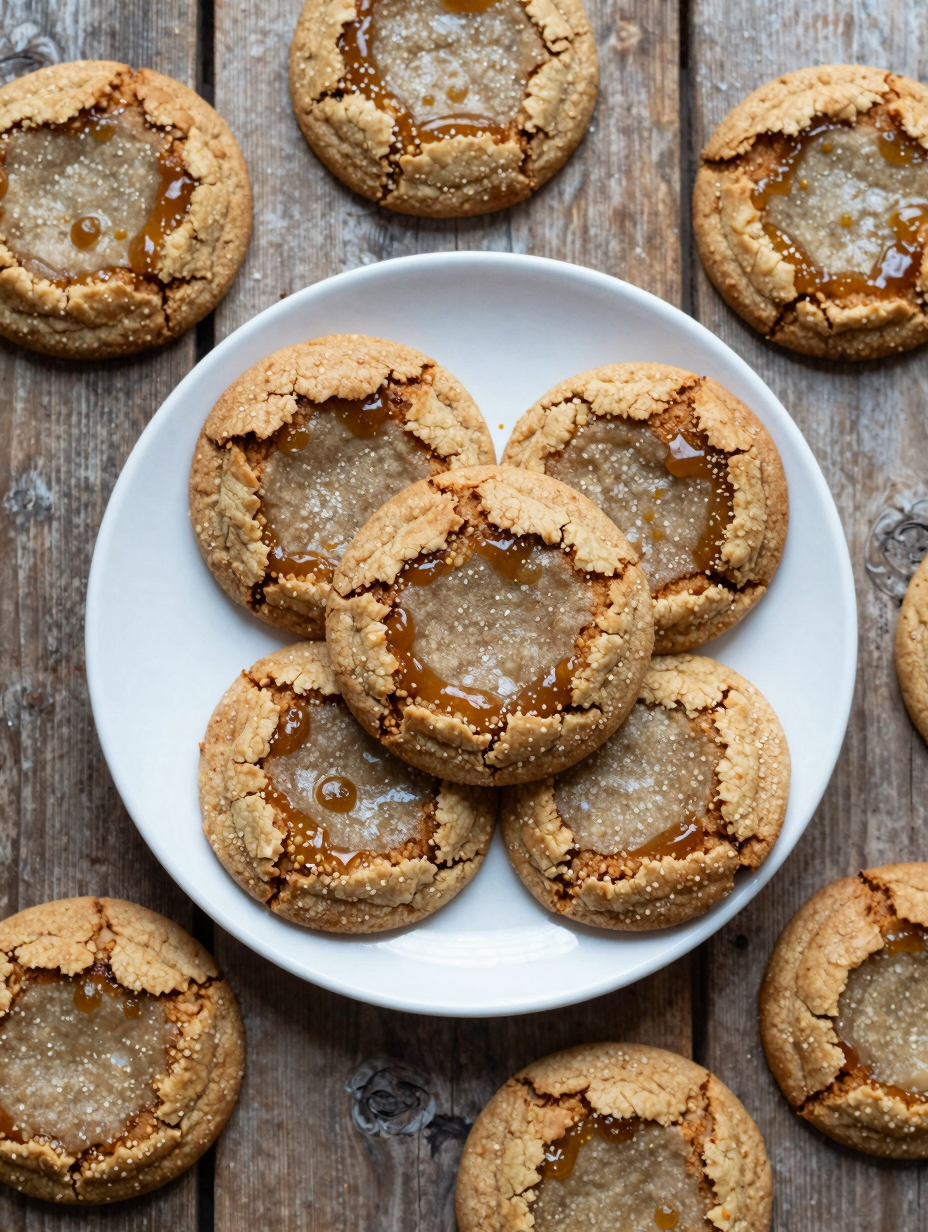
Rolling the dough balls in sugar before baking gives that classic crackled top that molasses cookies are known for.

Jump to Recipe ↓

Use regular molasses, not blackstrap — blackstrap is significantly more bitter and will throw off the sweet-spiced balance the recipe is built around.

Overhead plate of molasses cookies Save this recipe for later — pin it to your cookies board.

Molasses Cookies

Prep: 15 min Cook: 11 min Total: 26 min Yield: 24 cookies 160 cal · 2g protein

Ingredients

Instructions

  1. 1. Mix dry ingredients

    Whisk together flour, baking soda, salt, cinnamon, ginger and cloves in a bowl.

  2. 2. Cream butter and sugar

    Beat the butter with brown sugar until light and fluffy, about 2-3 minutes.

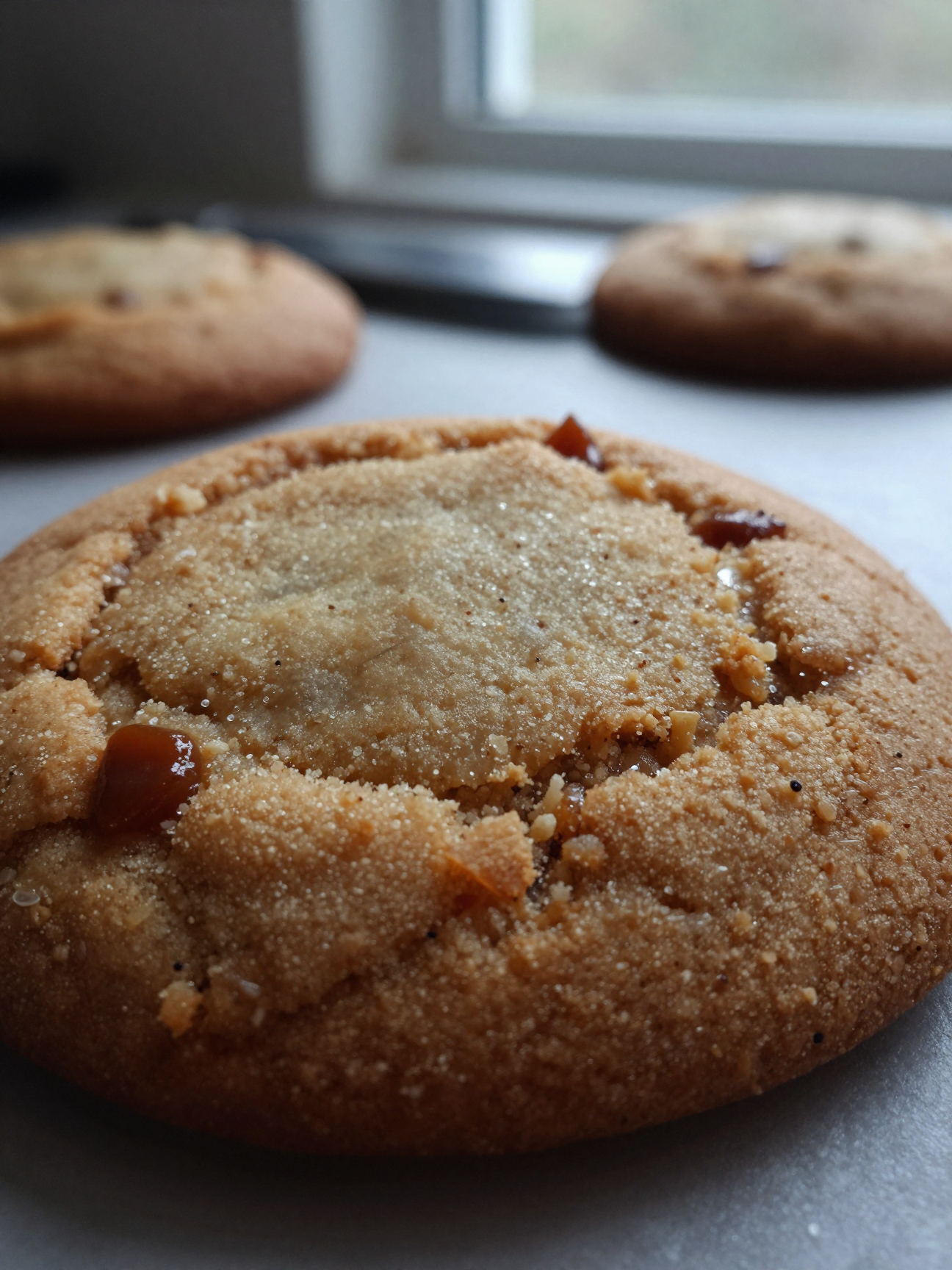
    Close-up of molasses cookie showing soft spiced crumb
  3. 3. Add molasses and egg

    Beat in the molasses and egg until fully combined and smooth.

  4. 4. Combine and shape

    Gradually mix in the dry ingredients until just combined. Roll dough into 1-inch balls and roll each in granulated sugar to coat.

  5. 5. Bake

    Preheat oven to 350°F (175°C). Place on a lined baking sheet, spaced 2 inches apart. Bake for 10-12 minutes until the tops crackle and the edges are set but the centers still look slightly soft.

Tips & Common Questions

Regular molasses or blackstrap — which is right here?

Regular (unsulphured) molasses gives the classic sweet-spiced flavor these cookies are known for — blackstrap molasses is much more bitter and intense, and will throw off the balance if swapped in directly.

Why do the tops crack when baking?

The sugar coating sets on the outside while the dough continues to spread and rise underneath, creating the crackled surface — this is the expected result, not a sign of a problem.

Can I make the dough ahead?

Yes — the dough keeps well covered in the fridge for up to 3 days; roll into balls right before baking rather than shaping and chilling separately.